The F1 Formation Lap and Race Start, Step by Step
What happens between the grid countdown and lights out in Formula 1: the 10-minute to 15-second signals, the formation lap rules, five red lights, aborted starts and extra formation laps, and the 2026 pre-start tweak.
Last updated
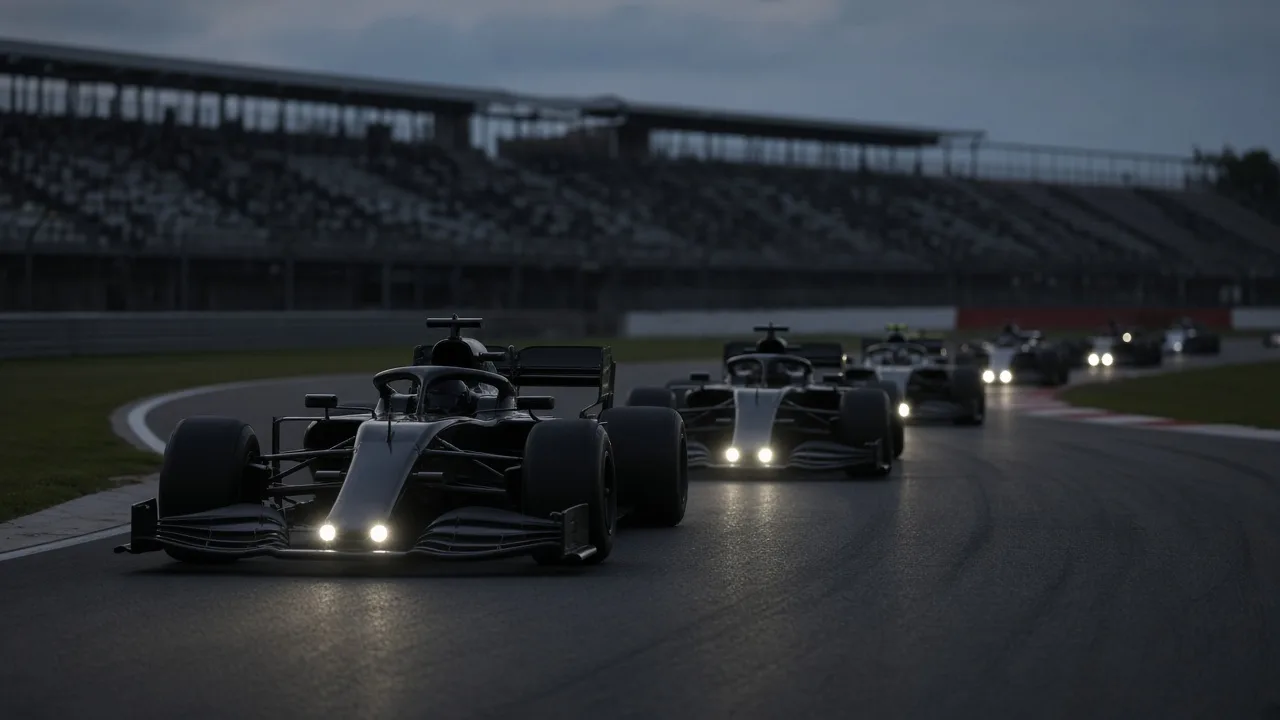
A Formula 1 race doesn't begin when the cars leave the grid. It begins when five red lights go out, after one carefully controlled formation lap. The procedure is written down in detail in the FIA's Sporting Regulations, and knowing it explains a lot of what you see on TV: weaving cars, a driver waving their arms, a car pushed into the pit lane, or a race suddenly shortened by a lap.
The countdown on the grid
The approach to the start is announced by signals shown 10 minutes, 5 minutes, 3 minutes, 1 minute and 15 seconds before the formation lap, each with an audible warning. Each signal triggers something:
- 10 minutes. Everyone except drivers, officials and team technical staff must leave the grid. If track conditions are unsuitable, race control can announce that the formation lap will be run behind the Safety Car. In that case the Safety Car's orange lights are switched on and wet-weather tyres become compulsory.
- 5 minutes. All wheels must be fitted. A car without all its wheels fully fitted at this signal gets a stop-and-go penalty. Tyre blankets must be unplugged and team personnel start leaving.
- 3 minutes. No more than 16 team personnel per team may remain on the grid.
- 1 minute. Engines are started and all team personnel must clear the grid by the 15-second signal, taking their equipment with them.
- 15 seconds. If a mechanic is still touching a car, or equipment is still connected, that driver must start from the pit lane. A driver who needs help after this point must raise their hands above their head. Marshals with yellow flags then stand beside the car to warn others.
The formation lap
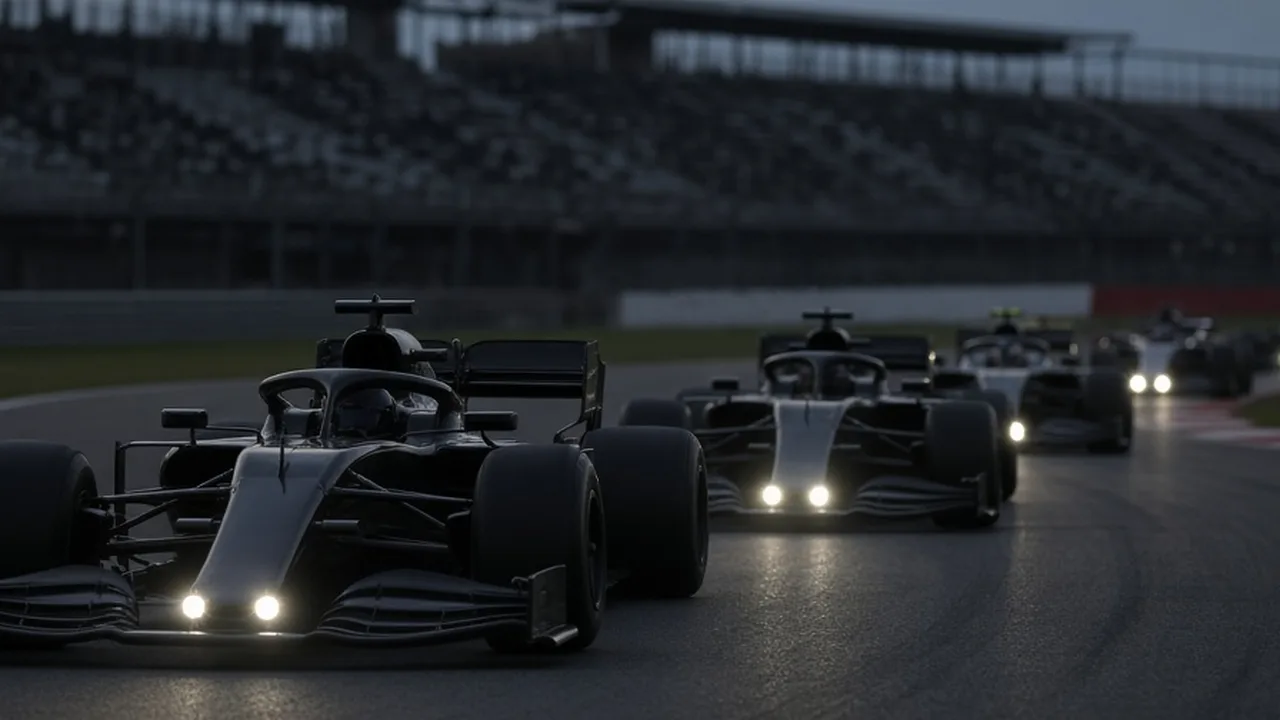
When the green lights on the start gantry come on, the cars leave the grid with the pole-sitter leading. The regulations set the ground rules:
- Drivers must respect the pit lane speed limit when leaving the grid until they pass the pole position slot.
- Practice starts are forbidden, and the formation must be kept "as tight as possible".
- Overtaking is not allowed unless a car is delayed and the cars behind can't avoid passing it without holding everyone up. Even then, drivers may only pass to restore the original order. A delayed driver who can't get back into position before the first Safety Car line must start from the pit lane. Skipping that earns a stop-and-go penalty.
Cars starting from the pit lane join the formation lap only after the whole field has passed the pit exit. They then go back into the pit lane at the end of the lap and start the race from there.
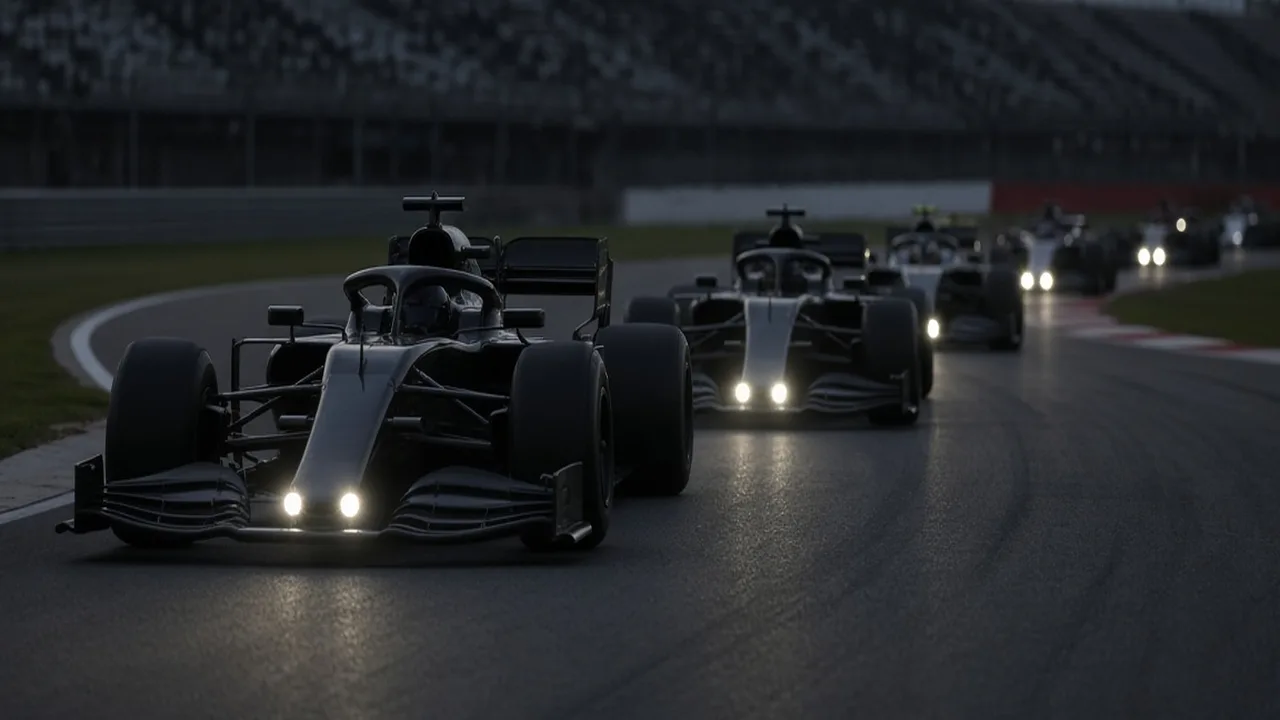
The weaving and sudden bursts of acceleration you see on the formation lap are drivers warming their tyres and brakes within those rules.
Lights out
Back on the grid, each car stops in its slot with the engine running. Then:
- Once every car has come to a halt, the grid light panels flash blue for five seconds and "Pre-Start" appears on the gantry. This step was added for the 2026 cars. Formula 1 explains that without the MGU-H, which used to spin up the turbo electrically, drivers need a few seconds to build revs before launch.
- The five red lights come on one by one, one second apart.
- After the fifth light, the permanent starter chooses when to switch them all off. The gap is at their "sole discretion", so drivers can't anticipate it. Lights out starts the race.
Moving before the lights go out is a false start, which the stewards penalise.
When something goes wrong
A car stalls on the grid
If a car is immobilised after the formation lap has started, the driver must immediately raise their hands above their head. Marshals wave yellow flags or switch on the yellow grid light panel. When the Race Director judges it safe, marshals push the car into the pit lane's inner lane by the fastest route, and the driver may not try to start it while being pushed. If the team then gets it running, the car can join the race from the pit lane after the start.
Extra formation lap
If a problem could endanger the start but doesn't require a full abort, the Race Director can call an extra formation lap. Orange lights come on, a board reads "EXTRA FORMATION LAP", and two seconds later the green lights send the field round again. The driver who caused it must start from the pit lane. Each extra formation lap shortens the race by one lap.
Aborted start
For a more serious problem the start is aborted. Orange lights and an "ABORTED START" board are shown, cars stay in their grid slots, and team personnel are allowed back onto the grid. The procedure restarts from the 10-minute signal. Again, the race loses a lap for each aborted start, and the driver who caused it starts from the pit lane.
Starting behind the Safety Car
In heavy rain the start may be held behind the Safety Car. The race distance is then cut by the number of laps run behind it, minus one.
Glossary
- Pole position: first place on the grid, earned by setting the fastest time in qualifying.
- Pit lane start: starting from the end of the pit lane after the field has passed, for example after one of the breaches described above, or when a car is moved off the grid before the formation lap.
- Permanent starter: the FIA official who operates the start lights.
The short version
The grid countdown runs from 10 minutes to 15 seconds and clears the grid in stages. On the formation lap there are no practice starts and no overtaking except to restore the order. Then come a five-second "Pre-Start" phase, five red lights one second apart, and lights out at the starter's discretion. Stalls, extra formation laps and aborted starts each have set procedures. Extra formation laps and aborted starts each cost the race one lap.
Tags
Sources
Check another
Another page on the Rules Explainers desk.