Mexico City GP tire strategy: why Pirelli sees a one stop or two stop race
Pirelli says Friday's long runs in Mexico City showed significant wear on the medium and soft tires, so Sunday's race could be a careful one stop or a two stop. Here is what the data shows and what it means for US viewers.
Last updated

Tire wear could decide Sunday's Mexico City Grand Prix. After Friday's long runs, Pirelli chief engineer Simone Berra said the data showed "a significant level of degradation for both of the softer compounds," which he said opens up options from a single stop with more careful tire management to a two stop race, according to Pirelli's Friday report and the team notes published by Formula 1.
The three compounds
Pirelli brought its three softest dry compounds to Mexico City: the C3 as the hard, the C4 as the medium and the C5 as the soft. Berra said most teams used the hard tire early in FP1 to learn the track and help clean it, and that it was also the natural choice for the young drivers in that session.
On one lap, the medium and soft were about eight tenths of a second apart, he said, and the C5 was particularly effective on a track that naturally offers little grip.
What Friday's long runs showed
Pirelli's report says Lando Norris ran 25 laps on the soft and Kimi Antonelli 24 on the medium during their race simulations in second practice, and Charles Leclerc was fastest on both compounds over a single lap. Air temperature was about 26°C and the track about 34°C in FP2.
Berra also reported localized graining on the front left tire, where the rubber surface tears into small ridges, and said it was already improving between sessions. If the track keeps improving at the same rate, he expects it to reduce further over the weekend.
Why a one stop is still the favorite
The BBC read the same race simulations as pointing to a one stop as the most likely strategy, with the top four teams closely matched and little to choose between the soft and medium. It also notes that overtaking will be hard, because following another car makes overheating worse in the thin air at about 2,200 meters.
That combination usually pushes teams to protect track position and manage tire wear rather than add a second stop. A second stop becomes more attractive if graining comes back or if a safety car gives drivers a cheaper chance to pit. Teams also flagged brake and power unit cooling as a limit: McLaren's Randy Singh said managing those temperatures "will be crucial," especially when running in traffic.
The altitude effect on cooling and the turbo is explained in Mexico City's thin air and turbo lag.
When to watch in the US
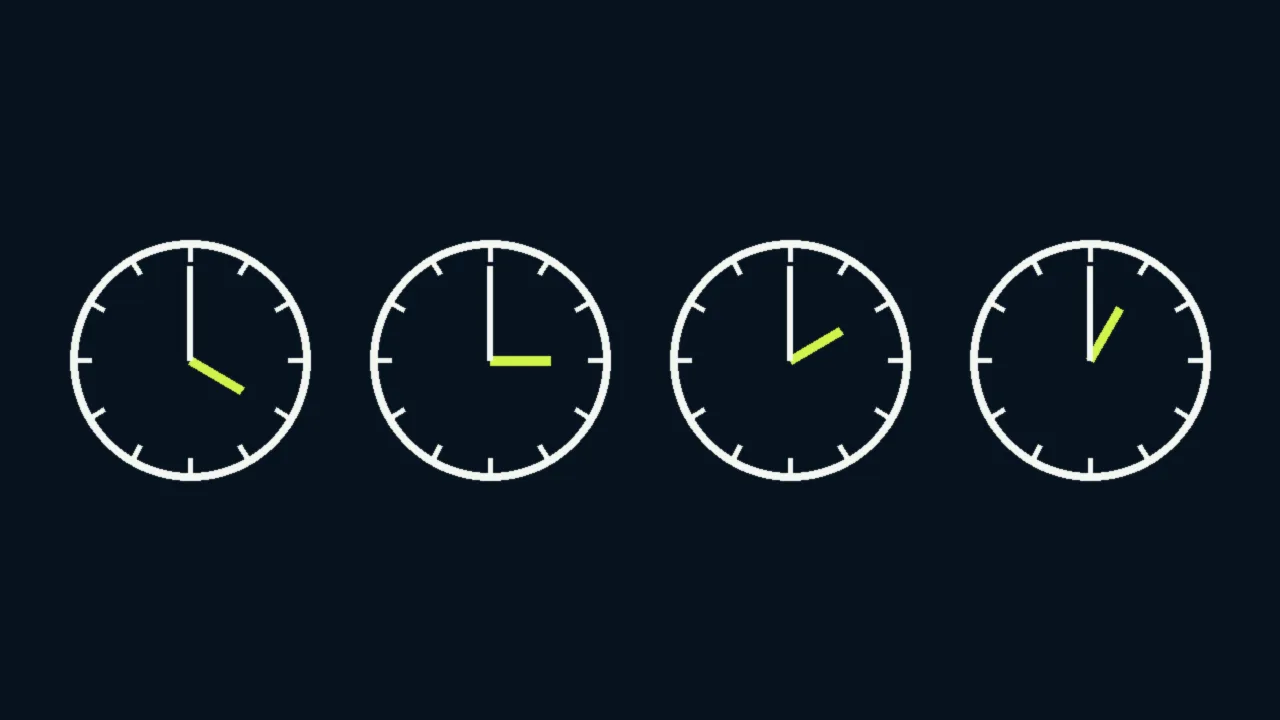
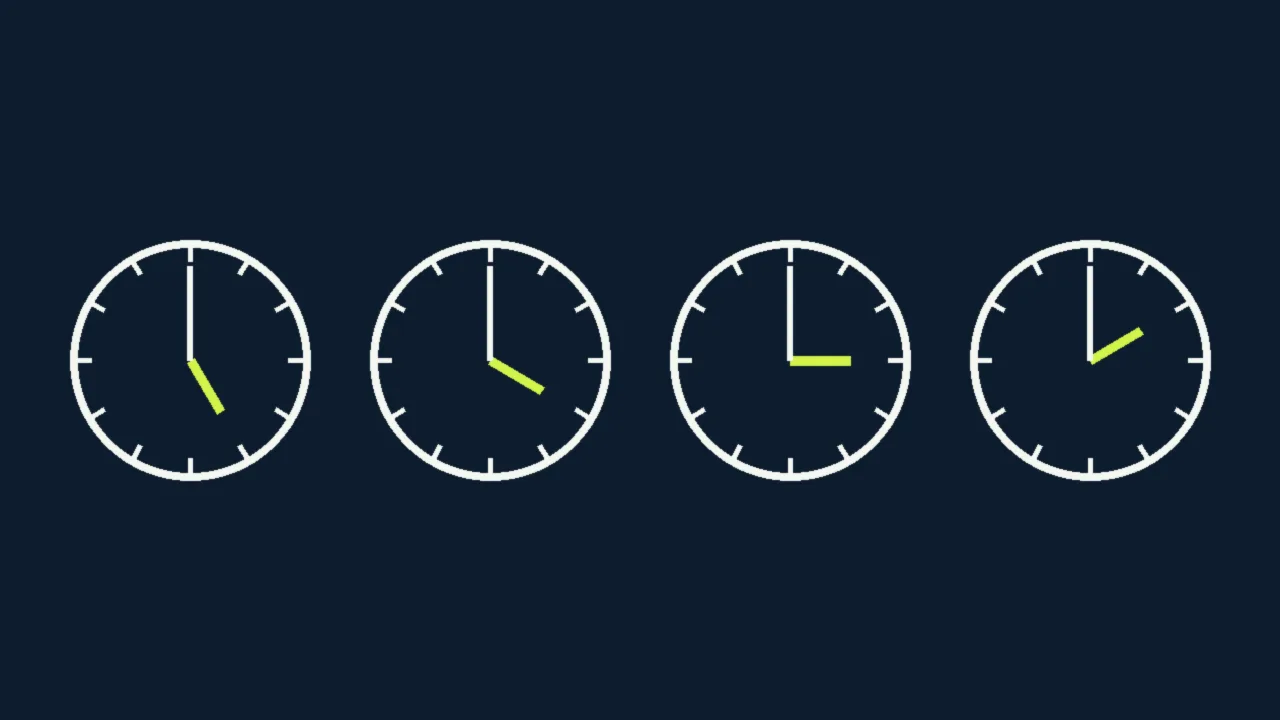
Qualifying is on Saturday, October 31, at 5 PM Eastern, 4 PM Central, 3 PM Mountain and 2 PM Pacific. US clocks go back one hour at 2 AM on Sunday, so the race starts at 3 PM Eastern, 2 PM Central, 1 PM Mountain and noon Pacific on Sunday, November 1. Full details are in our Mexico City Grand Prix times guide.
For the Friday order, see our practice report, and for what Kimi Antonelli needs on Sunday, see his Mexico City title scenarios.
What happened next
Background
Tags
Sources
- Leclerc the Friday benchmark in Mexico on Medium and Soft (external source)
- What the teams said, Friday in Mexico City (external source)
- Verstappen and Lawson given grid penalties for Mexico practice collision (external source)
- Leclerc continues to set the pace in Mexico ahead of Norris and Russell (external source)
Check another
Another page on the Rules Explainers desk.